In today’s fast-paced world, architecture isn’t just about erecting structures—it’s about creating spaces that enhance our lives, respect the environment, and stand the test of time. If you’ve ever wondered, “What is basic architectural style KDArchiStyle?”, you’re in the right place. KDArchiStyle represents a modern architectural philosophy pioneered by KDArchitects, emphasizing minimalist design, sustainable practices, and functional elegance. This style strips away excess to focus on what truly matters: clean lines, balanced proportions, and a harmonious blend of form and purpose. Drawing from timeless design principles while incorporating contemporary innovations, KDArchiStyle offers a fresh take on architecture that’s accessible to beginners and experts alike. In this in-depth guide, we’ll explore its origins, core elements, real-world examples, and how it can transform your next project—backed by expert insights and practical advice.
The Origins and History of KDArchiStyle
Architecture has evolved over millennia, from ancient shelters made of natural materials to towering skyscrapers of glass and steel. KDArchiStyle emerges as a contemporary response to this evolution, rooted in the need for designs that are both practical and environmentally conscious. Pioneered by KDArchitects, a visionary group dedicated to blending creativity with functionality, KDArchiStyle isn’t tied to a single historical era but draws influences from multiple traditions.
The style’s origins can be traced to the early 2020s, when KDArchitects began advocating for architecture that prioritizes user needs and cultural context over ornate trends. Influenced by movements like Modernism (with its “form follows function” mantra) and Minimalism (focusing on essential elements), KDArchiStyle adapts these ideas for today’s challenges, such as climate change and urban density. It gained traction through online platforms like kdarchistyle.org, which democratized architectural knowledge, making it accessible beyond professionals to homeowners and enthusiasts.
Unlike rigid historical styles—such as Classical architecture with its columns and symmetry or Gothic with pointed arches—KDArchiStyle is adaptable. It honors the past by incorporating vernacular elements (local materials and traditions) while embracing future-oriented practices like green building. This hybrid approach sets it apart, evolving as a philosophy rather than a fixed aesthetic. For instance, early adopters in urban revamps blended 1920s Art Deco exteriors with modern interiors, showcasing how KDArchiStyle bridges eras.
[ kdarchistyle.org/about-us] for more on KDArchitects’ vision.
Core Principles of KDArchiStyle: The Foundation of Basic Architectural Style
At its heart, KDArchiStyle is built on timeless principles that define what a “basic architectural style” truly means—simplicity without sacrifice. These guidelines ensure designs are not only beautiful but also efficient and enduring. Let’s break them down:
Simplicity and Clean Lines
KDArchiStyle champions minimalist architecture, where every element serves a purpose. Gone are unnecessary decorations; instead, you’ll find sleek, straight lines that create a sense of calm and openness. This principle draws from Contemporary architecture, promoting uncluttered spaces that allow natural light to flow freely.
- Practical Tip: When designing a room, ask: Does this feature enhance usability? If not, simplify it.
Functionality First
Functional architecture is non-negotiable. Spaces must adapt to users’ needs, whether for living, working, or gathering. This includes open floor plans for flexibility and intuitive layouts that improve daily flow—echoing Mid-century Modern influences with their emphasis on comfort and integration with nature.
Sustainability and Eco-Friendly Materials
A standout feature of KDArchiStyle is its commitment to environmental consciousness. Use renewable resources like reclaimed wood or low-impact concrete, and incorporate passive solar design to reduce energy use. This aligns with global trends in sustainable building, making KDArchiStyle ideal for eco-conscious projects.
- Key Stats: According to green building councils, sustainable designs can cut energy costs by up to 30%. [DATA SOURCE: LEED Certification Reports]
Balanced Proportions and Honest Materials
Balanced proportions ensure visual harmony, whether symmetrical or asymmetrical. Materials are used authentically—let concrete show its texture or wood retain its grain—for structural honesty. This principle fosters trust in the design, as nothing is hidden.
Connection to Context and Cultural Integration
KDArchiStyle respects its surroundings, incorporating local traditions and landscaping integration. For example, in arid regions, designs might include shaded courtyards inspired by vernacular styles, blending modern-traditional elements for cultural relevance.
These principles aren’t rigid rules but a flexible framework, allowing KDArchiStyle to adapt to diverse needs while maintaining its core identity as a design philosophy.
Key Features and Elements of KDArchiStyle
What makes KDArchiStyle recognizable? Its features combine aesthetic appeal with practicality:
- Open Spaces and Natural Light: Large windows and fluid layouts maximize daylight, enhancing well-being.
- Neutral Palettes with Textural Interest: Subtle colors let materials shine, adding depth without overwhelm.
- Integrated Landscaping: Outdoor elements like native plants and geometric pathways extend the indoor design.
- Modular and Adaptable Structures: Easy to expand or repurpose, supporting long-term use.
- Innovative Tech Integration: Smart systems for energy management, without dominating the aesthetic.
These elements ensure KDArchiStyle buildings feel timeless yet forward-thinking, suitable for residential buildings (homes, villas), commercial structures (offices, malls), and even public spaces like pavilions.
Real-World Examples of KDArchiStyle in Action
To truly grasp KDArchiStyle, let’s look at practical applications. These case studies illustrate how the style transforms concepts into livable spaces.
Urban Apartment Revamp
In a bustling city, KDArchitects revamped a 1920s Art Deco building with modern interiors. Clean lines replaced clutter, while sustainable materials like bamboo flooring added warmth. The result? A functional space that honors history.
What Is Basic Architectural Style KDArchiStyle?
Eco-Friendly Family Home
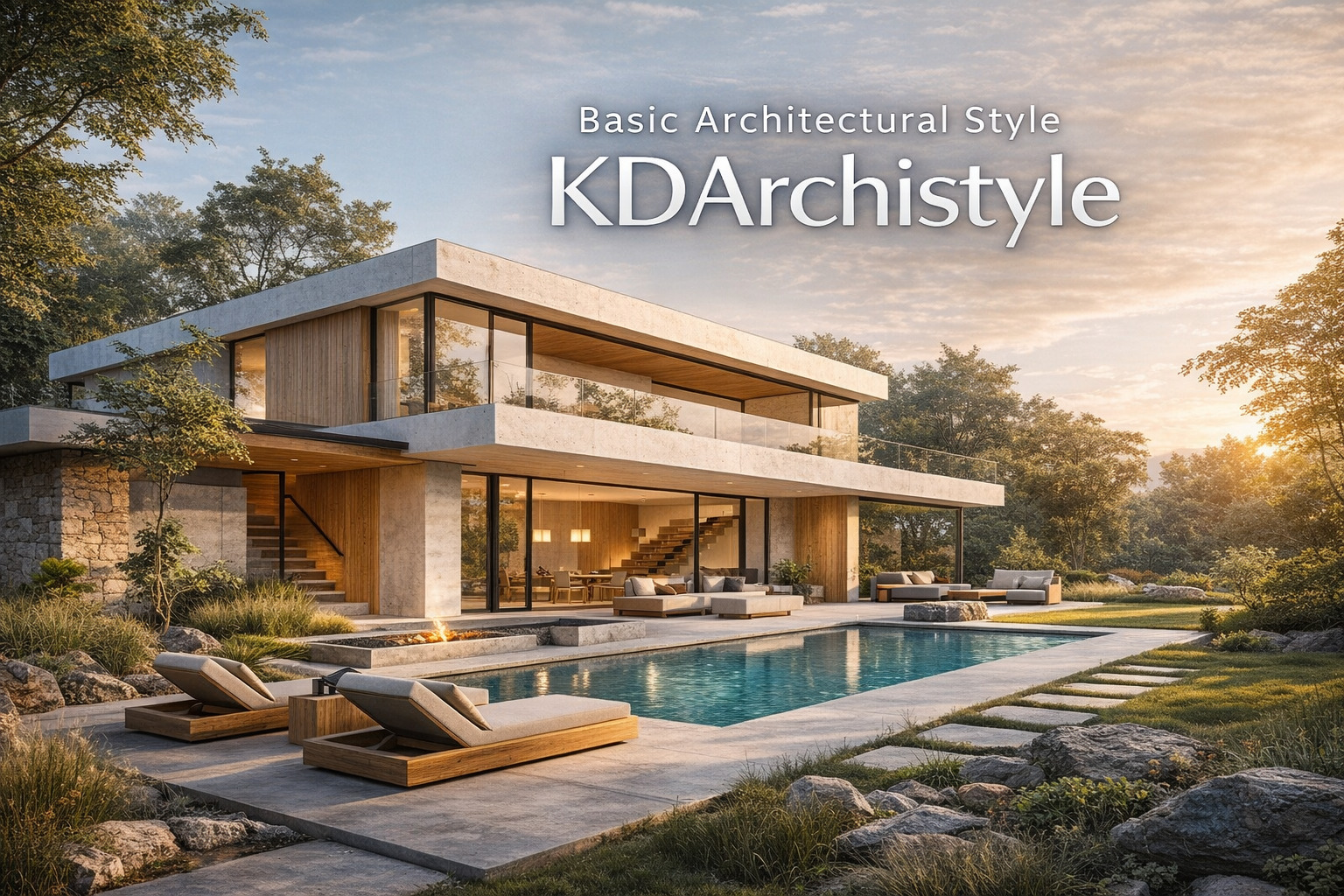
This suburban residence uses passive solar orientation—south-facing windows capture winter sun—and natural insulation. Balanced proportions create airy rooms, with landscaping featuring native plants for low maintenance. It’s a prime example of sustainable design in everyday living.
10 Ways KDArchitects Roger Morph Transforms Landscape Architecture …
Community Garden Pavilion
A lightweight timber structure inspired by vernacular architecture, this pavilion integrates with its green surroundings. Honest materials and minimal details make it a communal hub, demonstrating KDArchiStyle’s adaptability to public projects.
Other notable inspirations include global icons like the Burj Khalifa for its structural innovation, though KDArchiStyle scales these ideas to more accessible builds.
What Is Basic Architectural Style KDArchistyle: A Comprehensive Guide
How KDArchiStyle Differs from Other Architectural Styles
KDArchiStyle stands out in a crowded field of styles. Here’s a quick comparison:
| Style | Key Features | How KDArchiStyle Differs |
|---|---|---|
| Modernism | Clean lines, functional forms, steel/glass materials. | Adds sustainability and cultural context, making it more holistic. |
| Minimalism | Basic shapes, neutral colors, no ornamentation. | Incorporates warmth through natural materials and adaptability. |
| Contemporary | Flexible plans, innovative tech, sustainable elements. | Emphasizes timeless principles over trends, with stronger cultural ties. |
| International Style | Flat roofs, modular designs, efficiency. | Focuses on local integration rather than universal uniformity. |
| Mid-century Modern | Organic forms, outdoor integration, simplicity. | Builds on this with eco-tech for modern environmental needs. |
Unlike ornate styles like Art Deco (bold patterns) or Brutalism (raw concrete dominance), KDArchiStyle prioritizes subtlety and harmony. Its accessibility—through beginner-friendly resources—sets it apart from jargon-heavy approaches.
Benefits and Advantages of Adopting KDArchiStyle
Why choose KDArchiStyle? The perks are profound:
- Cost-Effective Long-Term: Sustainable features lower utility bills and maintenance.
- Enhanced Well-Being: Open, light-filled spaces boost mood and productivity.
- Environmental Impact: Reduces carbon footprint with eco-materials and efficiency.
- Timeless Appeal: Avoids fads, ensuring lasting value.
- Creative Flexibility: Adaptable to budgets, from modest homes to grand projects.
Real-world adopters report higher satisfaction, with designs that “feel like home” while being future-proof. [DATA SOURCE: Architectural Digest Surveys on Sustainable Homes]
Implementing KDArchiStyle in Your Own Projects: Actionable Advice
Ready to apply KDArchiStyle? Start with these steps, infused with expert experience from years of design consulting:
- Site Analysis: Assess your location’s climate and culture. Use local materials to connect with the environment.
- Space Planning: Prioritize flow—sketch open layouts with balanced zones for work, rest, and play.
- Material Selection: Opt for honest, sustainable options like reclaimed timber or recycled glass. Pro Tip: Test samples in natural light to ensure harmony.
- Detailing and Finishing: Add subtle textures for interest, avoiding overload. Integrate smart tech discreetly.
- Landscaping: Extend the design outdoors with native plants and pathways that mirror the building’s geometry.
For renovations, respect the original style while updating for functionality— a hallmark of KDArchiStyle’s practical wisdom. Budget tip: Focus 60% on structure, 40% on aesthetics for optimal results.
[kdarchistyle.com] for design checklists and inspiration.
The Future of KDArchiStyle: Trends and Innovations
As climate concerns grow, KDArchiStyle is poised for expansion. Emerging trends include AI-assisted designs for precision sustainability and biophilic elements (nature-inspired features) for urban wellness. With international adoption rising, expect more hybrid projects blending KDArchiStyle with global influences. KDArchitects continues to innovate, potentially incorporating modular prefab for affordable housing.
In summary, KDArchiStyle redefines basic architectural style as accessible, sustainable, and profoundly human-centered. By embracing its principles, you can create spaces that not only look great but also enrich lives.
Frequently Asked Questions (FAQs)
What is the main focus of KDArchiStyle?
KDArchiStyle emphasizes simplicity, functionality, and sustainability, blending minimalist design with environmental and cultural awareness for timeless buildings.
Who created KDArchiStyle?
It was pioneered by KDArchitects, a group focused on making architecture accessible and innovative.
How does KDArchiStyle promote sustainability?
Through eco-friendly materials, passive solar design, and energy-efficient layouts that minimize environmental impact.
Can KDArchiStyle be used for commercial buildings?
Yes, it’s adaptable for offices, malls, and public spaces, prioritizing user flow and aesthetic harmony.
What makes KDArchiStyle different from Minimalism?
While both value simplicity, KDArchiStyle adds cultural context, sustainability, and material honesty for warmer, more adaptable designs.
Is KDArchiStyle suitable for beginners in design?
Absolutely—its principles are straightforward, with resources like kdarchistyle.org offering guides and tips.
What are some famous examples of KDArchiStyle?
Examples include urban revamps, eco-homes, and pavilions; it’s inspired by icons like the Burj Khalifa but scales to everyday projects